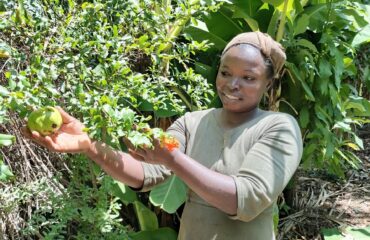
For years, residents of Athi Ward have been grappling with unpredictable weather—intense droughts, soil erosion, and dwindling water supplies. But now, a remarkable change is taking place. A whopping 60,000 tree seedlings have been planted, marking the start of a new chapter in environm restoration, all thanks to the NCCK and the support of CFGB through UCC. Among these seedlings are neem, acacia, Senna siamea, Melia volkensii, and fruit trees like mangoes and lemons, each selected for their resilience in the region’s semi-arid climate.
The once desolate landscapes are now alive with young trees, lovingly cared for by the local community. Benedict Musango, a small-scale farmer from Nzaini village, shares, “These trees are not just for us. They are for our children and their future.” With each passing day, these trees are growing stronger, providing shade, preventing soil erosion, and enhancing biodiversity. Their presence is already making a noticeable impact, with more birds returning and the soil retaining more moisture.
The community isn’t just planting trees—they’re committed to protecting them. In Kilawa, Kalivu, Monguni, and Katilini sub-locations, residents are making sure that every seedling gets enough water, protection from grazing animals, and regular care. Acacia trees will offer fodder for livestock, while Melia volkensii, often referred to as the “Mukau” tree, will eventually provide high-quality timber, opening up economic opportunities. Neem trees, celebrated for their medicinal benefits, will contribute to both health and environmental conservation. Meanwhile, the fruit trees will yield nutritious fruits, boosting their health and providing a source of income.